I just read the June 2026 cover story in Chess Life. The whole issue is about mental health in chess — and it said out loud the thing I've been telling parents since the day we opened our doors.
The cover story is called “Good Game,” and one line in it stopped me: it describes how chess “can feel like a chokehold.” That's a strong way to put it, but anyone who's watched a kid melt down after a loss knows exactly what they mean. The articles dig into something most people never think about when they picture chess — that this quiet little board game can put a surprising amount of emotional weight on a person, kids especially.
A few things in there lined up so closely with how I coach that I want to share them.
Ratings are not who you are
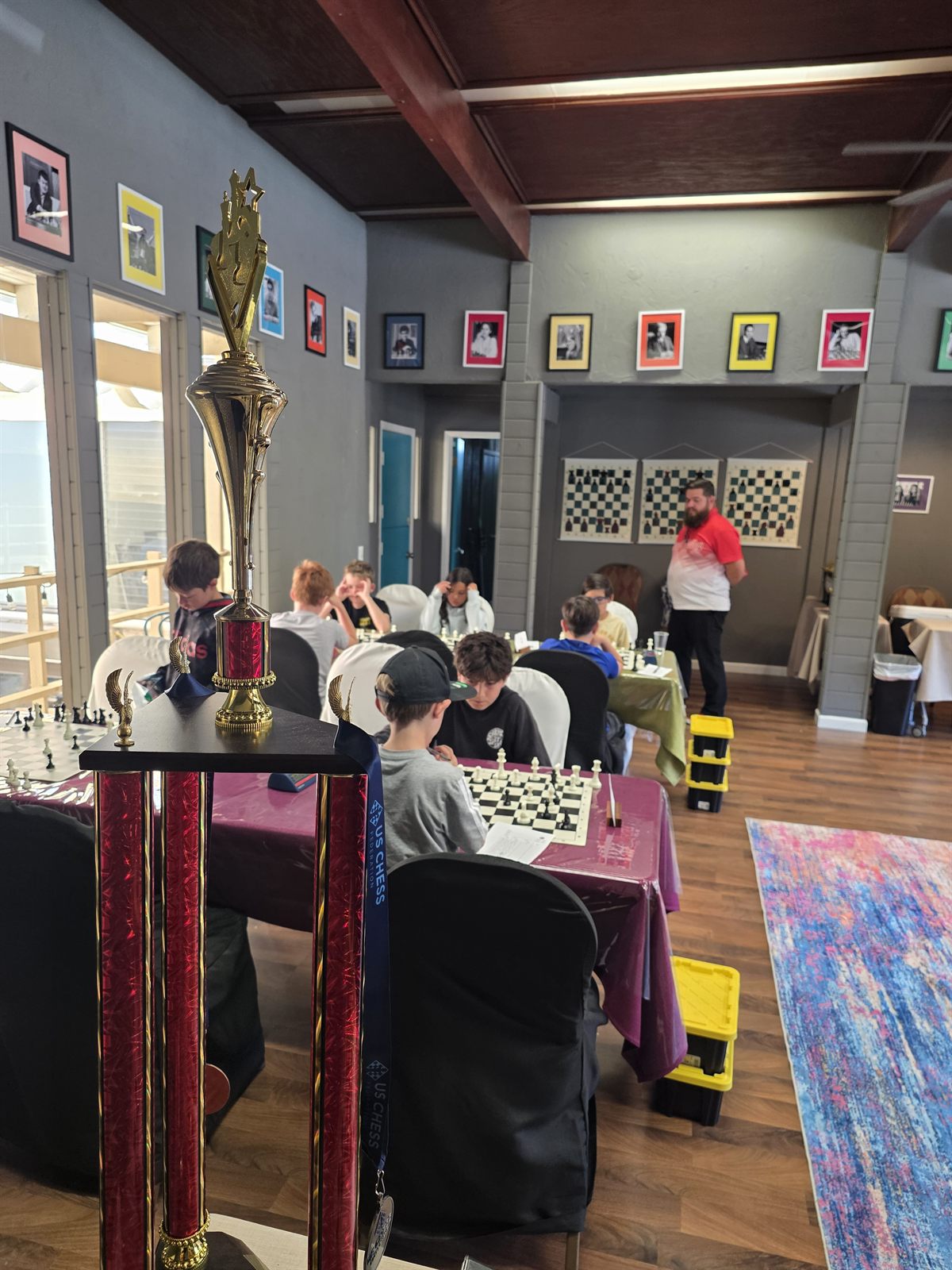
One whole article is about how easy it is to let your rating become your identity. A London performance coach quoted in the piece points out that players don't say “I have a rating,” they say “I am 2000.” That's the trap. The number stops being a measurement and starts being a verdict on you as a person.
I see this with kids all the time. They earn a rating — and at our summer camp, every single camper earned one. Within a week some of them have decided that number is who they are. It isn't. A rating tells you nothing about how hard you fought, what you learned, or whether you had fun. It's a snapshot, not a self-portrait.
The losing is the point
There's a grandmaster essay in the issue, “The Benefits of An Empty Mind,” all about rekindling the joy of the game when winning and losing start to swallow it. The author makes a point I've made on this very blog: nobody likes losing, but the wins wouldn't mean anything if the losses didn't.
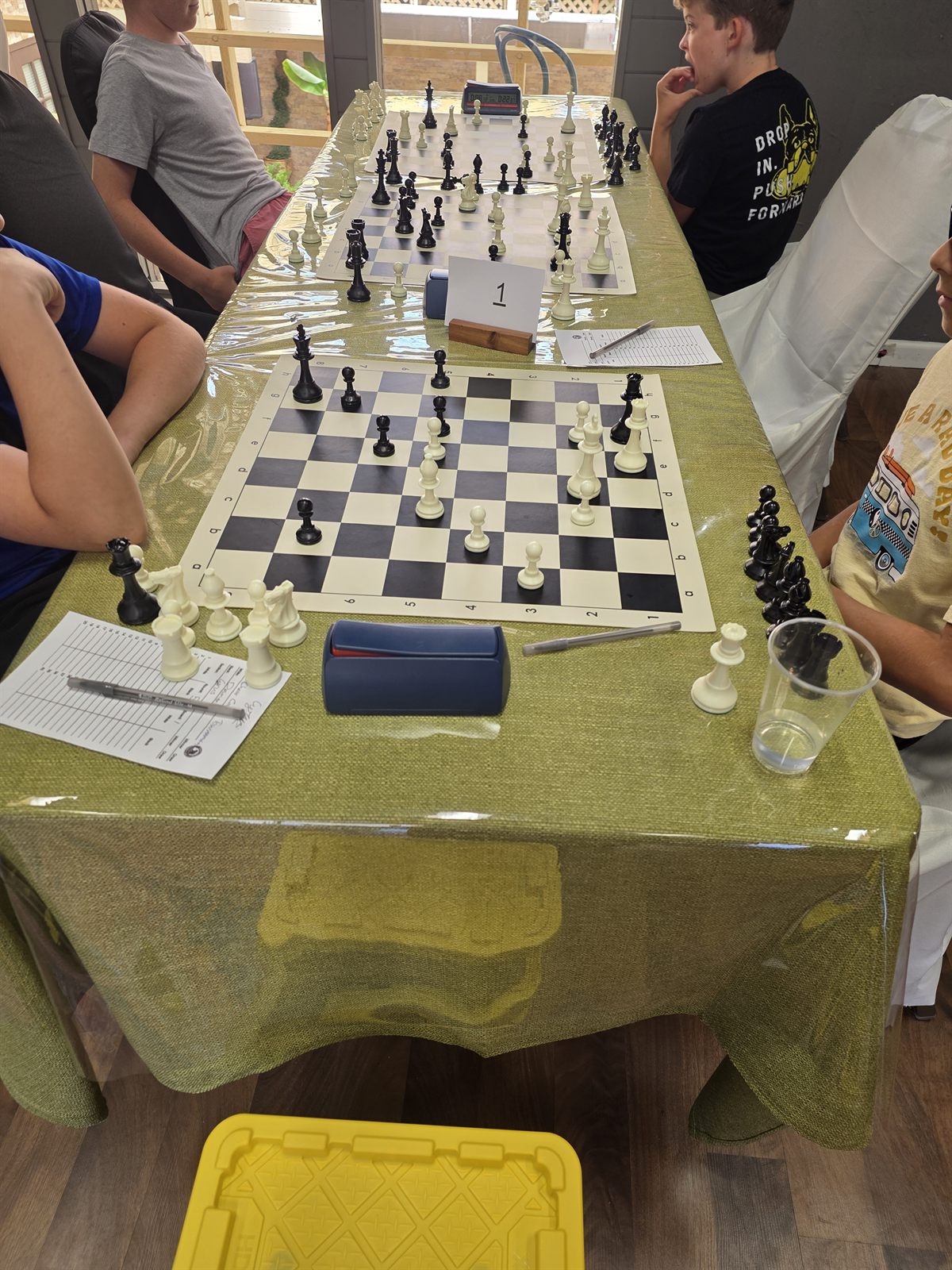
That's why I tell every kid who sits down at one of our boards the same thing. You have permission to lose, a lot, and that's not failing — that's the game teaching you. The kids who get comfortable with losing are the ones who actually fall in love with chess, and the ones who fall in love with it are the ones who get good. It happens in that order, every time.
Parents and coaches set the temperature
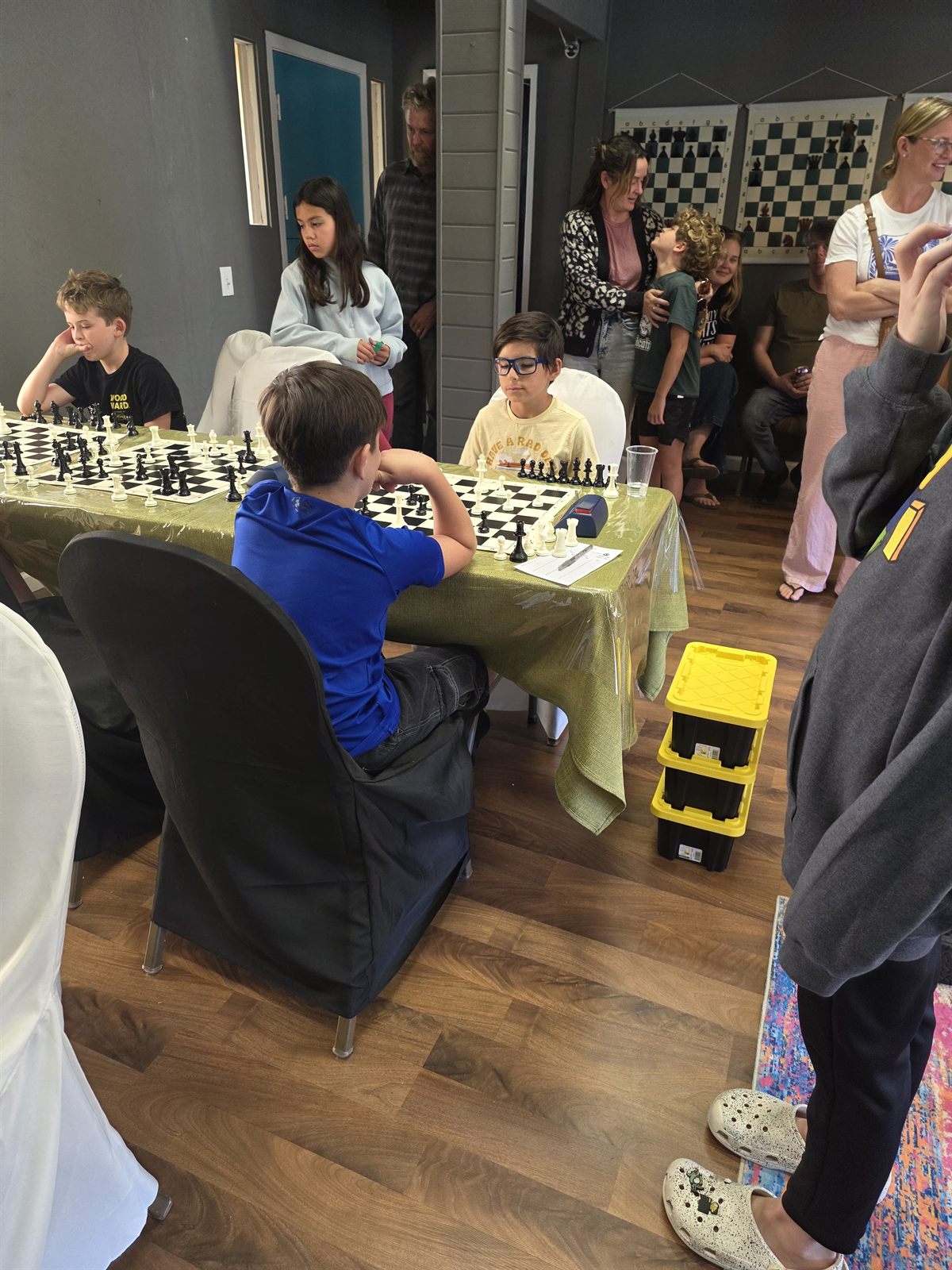
The part I most want our families to read comes from a former women's champion in the issue, who points out that for young players, the emotional environment adults create matters enormously. Kids read our reactions. If we get too high after a win or too low after a loss, they learn that the result is the thing that matters most — and that's when chess (or any sport) stops being fun.
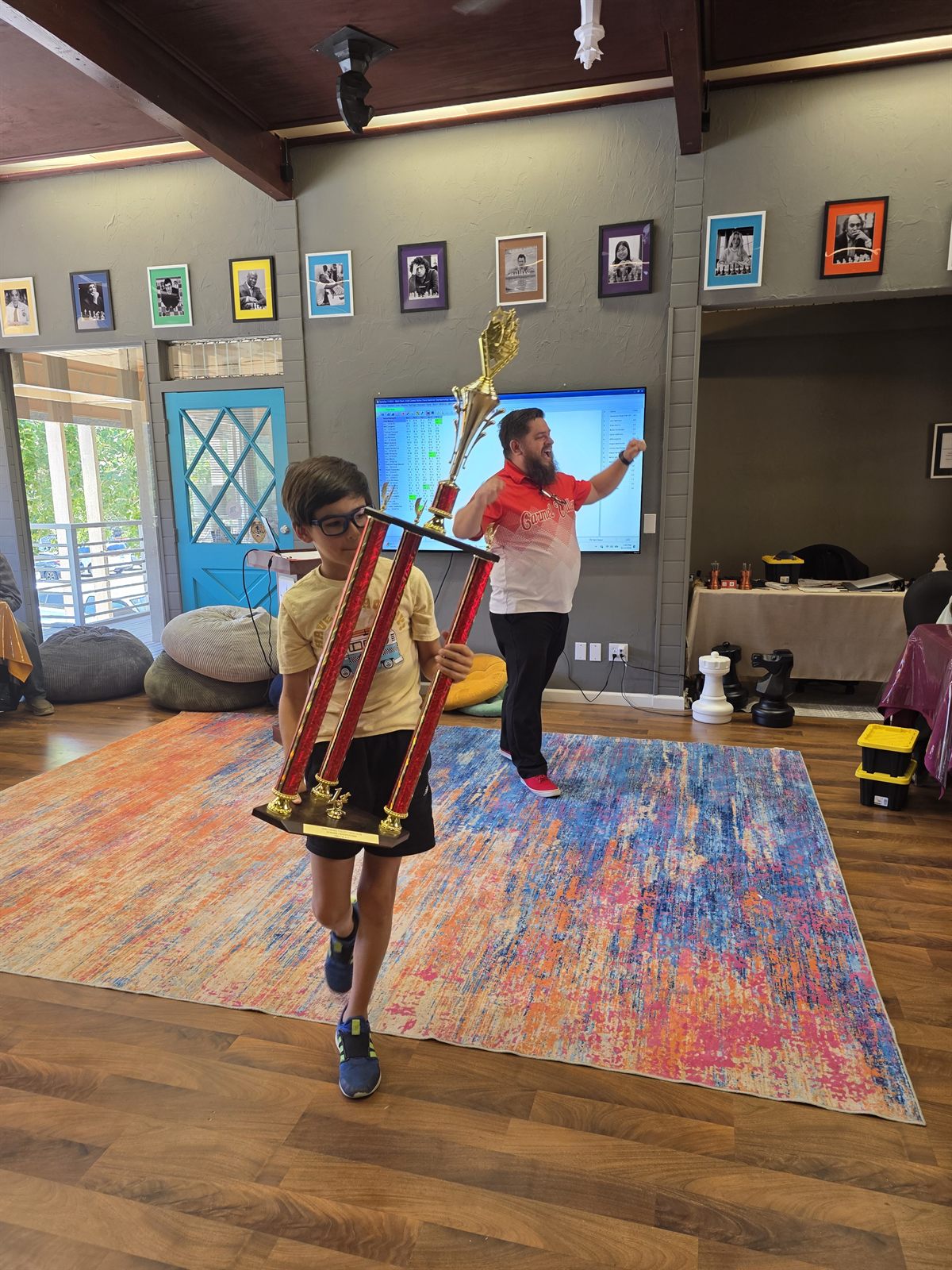
I think about this every time I run a tournament for our youth team. My job isn't to celebrate the winners and console the losers. It's to make sure every kid walks out feeling like the game was worth playing, win or lose. That's the whole point of how we do things here.
Why I'm bringing this up
I'm not telling you to go memorize openings or chase a number. Just the opposite. I'm telling you that a national chess magazine just spent a whole issue saying what we believe: that the healthiest — and honestly the best — way to play this game is to enjoy it, keep it in perspective, and remember that our kids are no less worthy at a 400 rating than at 2000.
That's the room we're trying to build in Carmel Valley. Pull up a chair.
— Coach JB
Free: Teach Your Kid Chess in 5 Days (Even If You Don't Play)
Five short videos from Coach JB — about five minutes each. No chess experience needed, and not a number in sight. Just the start of a game your kid can fall in love with.
Send Me the Videos →